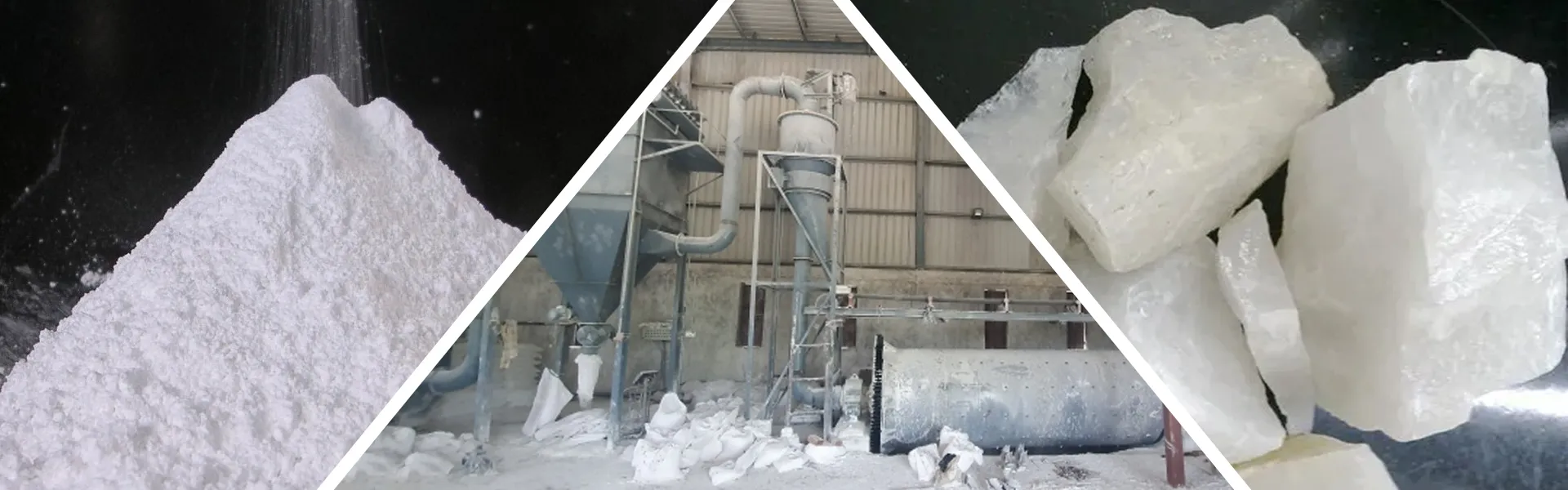
Calcined Kaolin Powder Manufacturers and Supplier in India
Calcined Kaolin Exporter and Supplier Across India and Globe
Calcined Kaolin, also known chemically as anhydrous aluminum silicate with the formula Al2Si2O7, is produced by thermally processing natural kaolin clay at temperatures between 900 and 1,200 degrees Celsius. This high-temperature calcination process drives off the chemically bound water molecules present in hydrous kaolin, transforming its crystal structure and significantly enhancing several key properties including brightness, whiteness, oil absorption, hardness and chemical inertness. The result is a fine white powder with superior performance characteristics, making it highly valued across a wide range of demanding industrial applications.
HTMC Group is a leading name among Calcined Kaolin Manufacturers in India, supplying premium-grade calcined kaolin powder to industries across the country and to international buyers across Korea, USA, UK, Germany, France, Italy, Spain, Poland, Japan, Malaysia, Indonesia, Thailand, Vietnam, Saudi Arabia, UAE, Oman, Egypt, Morocco, Tunisia, Algeria, Africa, Brazil, Argentina, and Canada. As trusted Calcined Kaolin Suppliers in India, we process every batch through rigorous quality controls to deliver consistent purity, controlled particle size distribution and optimal performance across all application sectors. Our advanced manufacturing infrastructure, experienced technical team and reliable supply chain make HTMC Group a preferred partner for global buyers seeking a dependable Calcined Kaolin Supplier with demonstrated international export capabilities.
Enquire NowWhat Makes Calcined Kaolin Different from Hydrous Kaolin
Understanding the distinction between hydrous kaolin and calcined kaolin helps buyers select the right material for their specific application requirements. Hydrous kaolin, also called water-washed or processed kaolin, retains the chemically bound water molecule within its crystal structure. It is characterized by its plasticity, fine particle size and smooth texture, making it ideal for applications where these properties are functionally important, such as ceramics, paper coating and rubber reinforcement.
Calcined kaolin is produced by heating hydrous kaolin to high temperatures, where the bound water is permanently removed. This thermal process changes the crystal structure from kaolinite to metakaolin and eventually to a mixture of amorphous silica and spinel phases at higher temperatures. The practical consequences of this structural transformation are significant: calcined kaolin is harder, brighter and more chemically inert, and provides superior opacity and oil absorption compared to its hydrous counterpart. It does not absorb moisture from the environment, making it dimensionally stable in applications where moisture sensitivity would be a problem.
For applications requiring maximum whiteness, improved hiding power, TiO2 extension in paints, or enhanced electrical resistance in cables and plastics, calcined kaolin is the technically superior choice over hydrous kaolin.
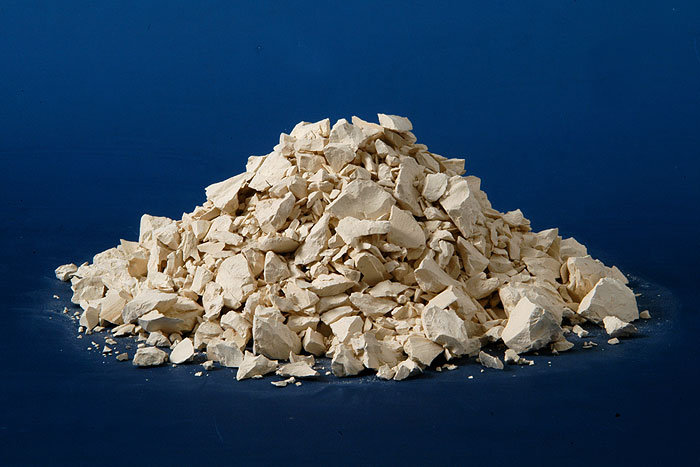
Calcined Kaolin Manufacturing Process
1. Raw Material Selection and Quality Assessment
The process begins with the careful selection of high-purity hydrous kaolin from verified, consistent sources.Each incoming batch is assessed for kaolinite content, iron impurity levels, particle size and baseline brightness before being approved for calcination.Only kaolin meeting our defined quality parameters enters the production process, ensuring the final calcined product starts from the best possible raw material foundation.
2. Pre-Processing and Drying
Selected hydrous kaolin is pre-processed to achieve the required particle size and moisture level before entering the calcination stage.The material is dried to remove free surface moisture, which ensures uniform and efficient heat transfer during calcination and prevents steam generation inside the kiln that could affect product quality.
3. Calcination
The pre-processed kaolin is fed into high-temperature kilns where it is heated to temperatures between 900 and 1,200 degrees Celsius under carefully controlled conditions.Temperature, residence time and atmosphere within the kiln are all precisely managed to achieve the desired degree of dehydroxylation and the target crystal structure transformation.The calcination temperature is adjusted depending on the grade being produced: lower temperatures around 900 degrees produce metakaolin with high pozzolanic activity, while higher temperatures above 1,050 degrees produce fully calcined kaolin with maximum brightness and chemical inertness.
4. Cooling
The calcined material exits the kiln and is cooled under controlled conditions to preserve the modified crystal structure and prevent rehydration or contamination.Rapid or uncontrolled cooling can affect the uniformity of the final product, so this stage is managed carefully within our production process.
5. Milling and Classification
The cooled calcined kaolin is milled to the required fineness and particle size distribution.Air classifiers separate material to precise particle size specifications, ensuring that each grade of calcined kaolin powder meets the exact fineness requirements of its intended application.Fine particle sizes are required for paint and coating applications while coarser grades serve refractory and ceramic body applications.
6. Quality Control Testing
Every batch of calcined kaolin undergoes comprehensive laboratory testing before approval for packaging and dispatch.Tests include brightness and whiteness measurement, particle size distribution, oil absorption, moisture content, pH, loss on ignition, chemical composition analysis, and specific gravity.Only batches that pass all defined quality parameters are cleared for packaging.
7. Packaging and Dispatch
Approved calcined kaolin powder is packed in moisture-resistant packaging and stored under clean, dry conditions.HTMC Group offers flexible packaging formats for both domestic buyers and international export customers, with documentation and compliance support for all export requirements.
Applications and Uses of Calcined Kaolin
The enhanced properties of calcined kaolin after thermal treatment make it a superior functional material across a broad range of industries. Calcined Kaolin Powder Manufacturers supply this material to sectors where its specific performance advantages over hydrous kaolin justify its use.
Paints and Coatings
Calcined kaolin is one of the most important functional extender pigments in the paints and coatings industry globally. Its high brightness and controlled particle size improve opacity and hiding power in architectural and industrial coatings. It acts as a partial replacement for titanium dioxide, which is significantly more expensive, without proportional loss of whiteness or hiding power. This TiO2 extension function is particularly valued by paint manufacturers in competitive markets, including Europe, North America, and Southeast Asia. Calcined kaolin also improves scrub resistance, stain resistance, and the overall durability of the dry paint film.
Paper and Paperboard
In the paper industry, calcined kaolin is used as a coating pigment and filler where its higher brightness compared to hydrous kaolin improves the visual quality and printability of coated paper grades. Its platelet structure creates a smoother coated surface that enhances ink receptivity and print definition. Paper manufacturers in Japan, Germany, France, Italy, and across Southeast Asia use calcined kaolin specifically for premium coated paper grades where brightness and print quality are critical performance parameters.
Plastics and Rubber
Calcined kaolin serves as a functional filler in plastic compounds and rubber formulations where its chemical inertness, dimensional stability, and controlled particle size improve mechanical properties, surface finish, and processing behavior. In PVC cable insulation, calcined kaolin enhances electrical resistance and flame retardancy. In rubber compounds, it reinforces mechanical properties without the reactivity issues that can arise from using hydrous kaolin. Manufacturers across Germany, USA, Korea, and Brazil rely on calcined kaolin as a standard functional filler in engineering plastics and technical rubber applications.
Ceramics and Refractories
In the ceramics sector, calcined kaolin is used in ceramic body formulations and glazes; its lower shrinkage compared to hydrous kaolin enhances dimensional accuracy in the fired product. Its high alumina content and refractoriness make it a valuable component of refractory materials used in high-temperature furnaces, kilns, and reactors within the steel, glass, and cement industries. Ceramic manufacturers in Japan, Korea, Spain, Italy, and Southeast Asia incorporate calcined kaolin into their formulations to leverage these specific technical advantages.
Cement and Construction
At calcination temperatures around 700 to 900 degrees Celsius, kaolin is converted to metakaolin, a highly reactive pozzolanic material that significantly improves the strength, durability, and impermeability of concrete when used as a supplementary cementitious material. Construction industries across Saudi Arabia, Oman, UAE, Egypt, Morocco, Algeria, Tunisia, and Africa use metakaolin specifically for high-performance concrete in infrastructure projects where standard cement alone does not meet the required durability specifications. HTMC Group supplies both standard calcined kaolin and metakaolin-grade calcined kaolin for these demanding construction applications.
Wire and Cable Industry
Calcined kaolin is used as a filler in the wire and cable industry for its combination of electrical insulation properties, heat resistance, and non-combustibility. In fire-resistant cable formulations, calcined kaolin contributes to the cable's ability to maintain circuit integrity under fire conditions, a requirement that is increasingly mandated in building codes across developed markets, including the UK, Germany, USA, and the Gulf Cooperation Council countries.
Adhesives and Sealants
In adhesive and sealant formulations, calcined kaolin acts as a functional filler that controls viscosity, improves dimensional stability, and enhances moisture resistance in the cured product. Its chemical inertness ensures compatibility with a wide range of adhesive chemistries without interfering with the bonding mechanism.
Fiberglass
Calcined kaolin contributes to the glass composition in fiberglass manufacturing, providing alumina that improves the chemical durability and mechanical strength of the glass fiber. Manufacturers in France, Germany and the USA incorporate calcined kaolin specifically for its consistent alumina content and low iron levels that would otherwise introduce color into the glass.
Technical Specifications of Calcined Kaolin
| Parameter | Standard Grade | High Brightness Grade | Description |
|---|---|---|---|
| Chemical Name | Anhydrous Aluminum Silicate | Anhydrous Aluminum Silicate | Al2Si2O7 |
| Appearance | White Free-Flowing Powder | Bright White Free-Flowing Powder | Visual quality indicator |
| Brightness (ISO) | 85 to 88% | 89 to 92% | Key performance parameter |
| Whiteness | 83 to 87% | 88 to 92% | Visual and functional quality |
| Al2O3 Content | 38 to 42% | 39 to 43% | Core composition parameter |
| SiO2 Content | 52 to 56% | 51 to 55% | Core composition parameter |
| Fe2O3 Content | Less than 1.0% | Less than 0.7% | Controls brightness and color |
| TiO2 Content | Less than 1.5% | Less than 1.2% | Impurity control |
| Loss on Ignition | Less than 1.0% | Less than 0.8% | Confirms full calcination |
| Moisture Content | Less than 0.5% | Less than 0.3% | Affects flowability |
| Oil Absorption | 50 to 70 g/100g | 55 to 75 g/100g | Relevant for paint applications |
| pH (10% suspension) | 5.0 to 7.0 | 5.5 to 7.0 | Formulation compatibility |
| Specific Gravity | 2.60 to 2.63 g/cc | 2.60 to 2.63 g/cc | Physical property |
| Bulk Density | 0.4 to 0.6 g/cm3 | 0.35 to 0.55 g/cm3 | Packaging consideration |
| Particle Size (D50) | 1.5 to 4.0 microns | 1.0 to 2.5 microns | Grade-dependent specification |
Grades of Calcined Kaolin Available at HTMC Group
Standard Calcined Kaolin
Our standard grade calcined kaolin is produced at temperatures that achieve full dehydroxylation while maintaining the balanced brightness, particle size and oil absorption profile required for general industrial applications in paints, rubber, plastics, and ceramics.
High Brightness Calcined Kaolin
This premium grade is produced under optimized calcination conditions and enhanced processing to achieve superior brightness and whiteness values. It is the preferred choice for high-performance paint formulations, premium coated paper grades, and applications where whiteness is a critical quality parameter.
Metakaolin Grade
Produced by calcination at controlled lower temperatures to maximize pozzolanic reactivity, our metakaolin grade is specifically formulated for use as a supplementary cementitious material in high-performance concrete. It meets the reactivity requirements for structural concrete applications where strength development and durability are the primary performance criteria.
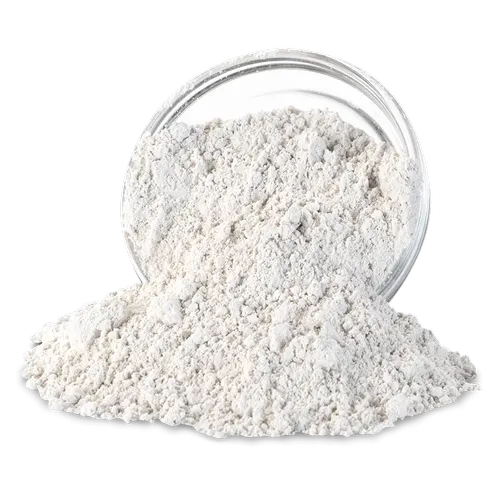
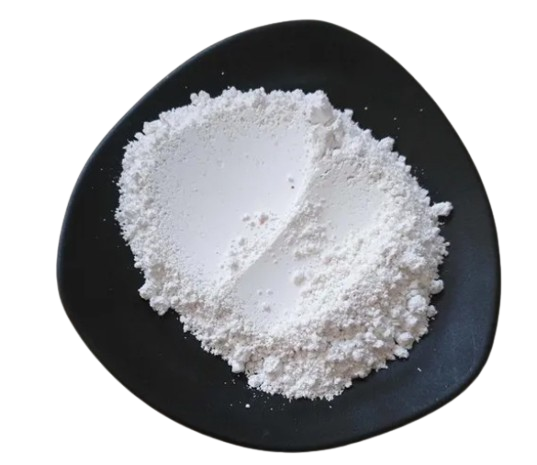
Ultra-Fine Calcined Kaolin
Our ultra-fine grade is milled and air-classified to achieve a tighter particle size distribution with a D50 of 1.0 to 1.5 microns. It is used in applications requiring maximum surface area, superior opacity contribution, and smooth film formation, such as premium architectural coatings, inkjet paper coatings, and specialty plastics.
Product Packing Details
HTMC Group supplies calcined kaolin powder in safe, durable packaging designed to protect product quality through storage and transit:
Package Sizes
25 kg and 50 kg bags
Package Type
Multi-layer paper bags with an inner polyethylene moisture barrier
Bulk Supply
Available in jumbo bags of 500 kg and 1,000 kg and in customized packaging formats on request
All packaging is clearly labeled with product grade, batch number, net weight, manufacturing date, and handling instructions to support full traceability and safe use at the customer's facility.
Other Industries We Cater

Cables and Wires
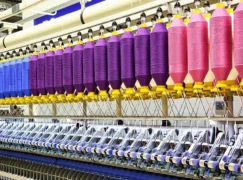
Textile Industry
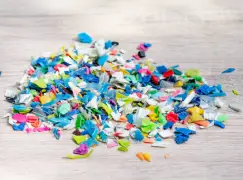
Plastics

Personal Care
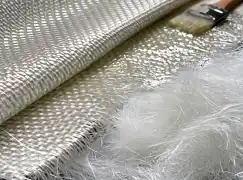
Fiberglass

Paper and Pulp
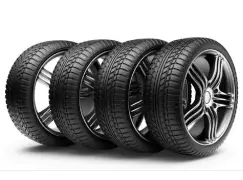
Rubber Industry

Agriculture
Safe Handling and Storage
Store in a dry, cool, ventilated area away from moisture, rain, and direct sunlight. Calcined kaolin is hygroscopic at the surface and will absorb atmospheric moisture if left exposed, which reduces its effectiveness in moisture-sensitive applications. Keep packaging sealed tightly after opening to prevent atmospheric moisture absorption and contamination.
Use appropriate personal protective equipment, including dust masks, safety goggles, and gloves, when handling calcined kaolin powder in bulk to prevent inhalation of fine particles. Calcined kaolin is chemically inert and non-hazardous under normal handling conditions but fine powder inhalation should be avoided as standard practice with all industrial mineral powders.
Why Choose HTMC Group for Calcined Kaolin Powder
HTMC Group has established its position as one of the most reliable Calcined Kaolin Manufacturers and Calcined Kaolin Suppliers in India through a combination of consistent product quality, advanced manufacturing infrastructure, and genuine commitment to customer requirements across domestic and international markets.
Our manufacturing facilities operate under ISO-certified quality management systems and every batch of calcined kaolin is tested against defined specifications at multiple stages from raw material intake to final product approval. This multi-point quality control approach ensures that the product received by our customers matches the specifications agreed at the time of order, batch after batch and order after order.
As a recognized Calcined Kaolin Supplier in India with active export operations, HTMC Group supplies calcined kaolin to buyers across Asia Pacific, the Middle East, Africa, Europe, and the Americas. Our logistics infrastructure supports reliable, on-time delivery to international destinations with complete export documentation and regulatory compliance support for each shipment. We hold multiple internationally recognized certifications including ISO, DUNS, FSSAI, BRC, Halal, FDA, Exipact, and Kosher, and carry Star Export House recognition, all of which reflect the quality and compliance standards that our global customers require from their mineral suppliers.
Frequently Asked Questions
Calcined Kaolin is produced by heating natural hydrous kaolin clay at temperatures between 900 and 1,200 degrees Celsius in a controlled kiln environment. This thermal process, known as calcination, removes the chemically bound water from the kaolin crystal structure and transforms it into anhydrous aluminum silicate (Al2Si2O7). The result is a fine white powder with enhanced brightness, whiteness, hardness, oil absorption, and chemical inertness compared to the hydrous kaolin from which it is produced.
Metakaolin is produced by calcining kaolin at a lower temperature range of approximately 700 to 900 degrees Celsius, which partially transforms the kaolin structure into a highly reactive amorphous phase with strong pozzolanic properties. It is used primarily as a supplementary cementitious material in high-performance concrete. Standard calcined kaolin is produced at higher temperatures of 900 to 1,200 degrees Celsius, achieving full dehydroxylation and a more stable, chemically inert product used in paints, rubber, plastics, paper, and ceramics. HTMC Group produces both grades.
As Calcined Kaolin Powder Manufacturers, HTMC Group supplies to the paints and coatings, paper and paperboard, plastics, rubber, ceramics and refractories, wire and cable, adhesives and sealants, fiberglass, and construction industries. We also supply Calcium Carbonate as a complementary product to customers in the same industries. Our export operations cover Korea, USA, UK, Germany, France, Italy, Spain, Japan, Malaysia, Indonesia, Thailand, Vietnam, Saudi Arabia, UAE, Oman, Egypt, Morocco, Algeria, Tunisia, Africa, Brazil, Argentina, Canada, and Poland.
Our standard calcined kaolin grade achieves an ISO brightness of 85 to 88% and our high brightness grade achieves 89 to 92%. The specific brightness achievable depends on the quality of the raw hydrous kaolin, the calcination conditions, and any post-calcination processing applied. For applications where maximum brightness is the critical requirement, our high-brightness grade is the appropriate choice. Our technical team can advise on the most suitable grade based on the customer's specific brightness specification.
Yes. HTMC Group is an established exporter of calcined kaolin to buyers across multiple countries and regions, including Korea, USA, UK, Africa, Saudi Arabia, Oman, Egypt, Morocco, Tunisia, Indonesia, Malaysia, Japan, Poland, Germany, Spain, Dubai, Vietnam, Thailand, Italy, France, Algeria, Argentina, Brazil, and Canada. We provide complete export documentation, compliance support, and reliable logistics for all international orders. Jumbo bags and bulk packaging options are available for export volumes.
Powder mesh available
100
200
300
400
500
600
Packing Available

25kg Packing Bag
50kg Packing Bag

500/100kg Jumbo Packing Bag
Contact Us



















×