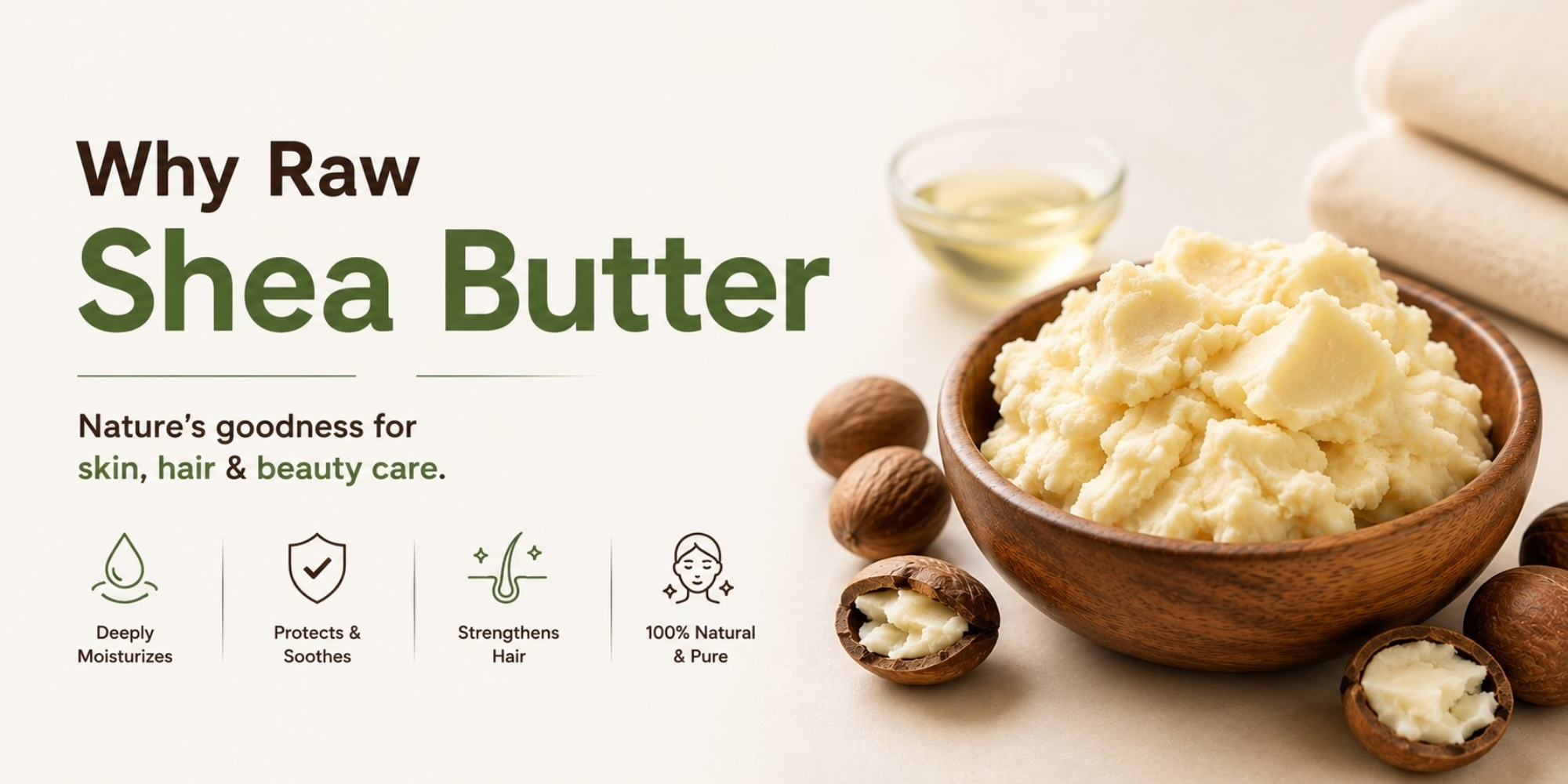
Why Raw Shea Butter Is Best for Skin, Hair and Beauty Care
Nature has given us some extraordinary ingredients, and among them, Raw Shea Butter stands in a category of its own. Extracted from the nuts of the African shea tree, this creamy, golden butter has been used for centuries by women across West and East Africa for healing, moisturizing, and protecting both skin and hair. Long before it appeared in luxury beauty products, it was a household staple passed down through generations.
Today, the global beauty industry has caught on. You will find shea butter listed as an ingredient in everything from high-end face creams to budget drugstore lotions. But here is the truth that most brands do not tell you: the processed, white, odorless version sitting on those product labels is not the same as the real thing. If you want the full power of this incredible ingredient, raw and unrefined is the only way to go.
This guide breaks down exactly why Raw Shea Butter is the gold standard for skin, hair, and beauty care, what sets it apart from refined versions, and how to get the most out of it in your daily routine.
What Is Raw Shea Butter and Where Does It Come From?
Raw Shea Butter
Raw Shea Butter is the fat extracted from the seeds of the Vitellaria paradoxa tree, commonly known as the shea tree, which grows naturally across the tropical belt of Africa. The nuts are harvested, dried, roasted, and then crushed to release the fat. This fat is then boiled in water, skimmed off the top as it cools, and allowed to solidify. The result is a rich, dense butter that ranges in color from ivory to pale yellow or even light green, depending on the region and harvest season.
The term "raw" means the butter has gone through no chemical processing, bleaching, or deodorizing after extraction. It retains its full natural profile, including vitamins, fatty acids, antioxidants, and anti-inflammatory compounds, exactly as nature intended.
Organic Shea Butter takes this one step further by ensuring the shea trees and the harvesting process follow certified organic standards, free from pesticides and synthetic chemicals. When you see both labels together, raw and organic, you are getting the cleanest, most potent version available.
Raw vs. Refined: Why the Difference Matters
This is the most important distinction you need to understand before buying any shea product.
Unrefined Shea Butter is minimally processed. After extraction, it is filtered to remove debris but otherwise left intact. It keeps its natural color, its earthy nutty aroma, and most importantly, its full spectrum of nutrients.
Refined shea butter, on the other hand, goes through a factory process that includes high heat, bleaching with chemicals, and deodorizing to produce a white, neutral-smelling product. This makes it easier to blend into mass-produced cosmetics, but the process strips away a significant portion of its vitamins, antioxidants, and healing compounds.
Studies show that Unrefined Shea Butter retains over 90% of its natural nutrients, including vitamins A and E, essential fatty acids, and healing compounds like cinnamic acid esters that provide anti-inflammatory benefits. Refined versions lose much of this bioactive content during processing.
So when you buy a lotion containing shea butter and notice the butter is pure white and scentless, you are likely getting the refined form, a fraction of the benefits at the full price.
Shea Butter Benefits: The Complete Breakdown
The range of Shea Butter Benefits is genuinely remarkable. Here is a detailed look at what this ingredient actually does for your body.
Deep and Long-Lasting Moisturization
Shea butter is one of the most effective natural emollients.It is rich in fatty acids, including oleic, stearic, linoleic, and palmitic acids, which closely mirror the natural lipids found in healthy skin. These fatty acids absorb quickly without leaving a greasy film and work by sealing moisture into the skin, preventing transepidermal water loss throughout the day. Unlike many synthetic moisturizers that sit on top of the skin, shea butter penetrates into the deeper layers and restores the skin's lipid barrier from within. The result is skin that feels soft, smooth, and genuinely hydrated rather than just temporarily coated.
Natural Anti-Inflammatory Properties
Raw shea butter contains cinnamic acid and lupeol cinnamate, compounds that actively reduce skin inflammation. This makes it genuinely helpful for conditions like eczema, psoriasis, rosacea, and contact dermatitis. People who react badly to synthetic ingredients in conventional skincare products often find raw shea butter to be the only moisturizer their skin tolerates well.
Rich in Vitamins A, E, and F
Vitamin A in shea butter supports healthy cell turnover and reduces the appearance of fine lines, blemishes, and uneven skin tone. Vitamin E is a powerful antioxidant that fights free radical damage, which is one of the primary causes of premature skin aging. Vitamin F, which refers to essential fatty acids, plays a key role in maintaining the skin's protective barrier and keeping it soft and supple. Together, these vitamins make raw shea butter one of the most nutrient-dense topical ingredients available without a prescription.
Collagen Support and Anti-Aging
Regular use of shea butter has been shown to boost collagen production in the skin. Collagen is the protein responsible for skin firmness and elasticity. As we age, collagen production naturally declines, leading to sagging skin and wrinkles. The vitamins and fatty acids in shea butter help slow this process and visibly reduce the appearance of fine lines over time.
Natural Sun Protection
Raw shea butter carries a natural SPF of approximately 3 to 4. While this is not sufficient as a standalone sunscreen for extended sun exposure, it provides a meaningful layer of daily protection from incidental UV damage, especially when used as part of a morning moisturizing routine.
Wound Healing and Scar Reduction
Shea butter has been used traditionally to heal wounds, burns, and skin abrasions. Its combination of vitamins and anti-inflammatory compounds promotes faster skin repair and reduces the formation of scar tissue. Many people use it consistently on stretch marks, surgical scars, and old acne marks with visible improvement over time.
Soothes Razor Burn and Irritation
Applied after shaving, raw shea butter immediately calms redness, stinging, and irritation. It acts as a gentle aftershave balm that moisturizes at the same time, without the alcohol or synthetic fragrance found in most commercial shaving products.
Shea Butter for Skin: How to Use It the Right Way
Shea Butter for Skin works best when applied correctly and consistently. Here are the most effective ways to incorporate it into your routine.
As a daily body moisturizer, take a small amount of raw shea butter, warm it between your palms until it softens, and massage it into slightly damp skin immediately after showering. The moisture on your skin helps the butter spread more easily and absorb more deeply.
As a facial moisturizer, apply a thin layer to clean skin at night before bed. Because shea butter can feel rich on the face, nighttime application allows it to absorb fully without interfering with makeup during the day. Note that while shea butter rates low on the comedogenic scale, people with very oily or acne-prone skin should patch-test it on a small area first.
For extremely dry patches on heels, elbows, and knees, apply a thick layer of raw shea butter and cover with cotton socks or clothing overnight. By morning, even severely cracked skin shows visible improvement.
For lips, a tiny amount applied before bed prevents chapping and keeps lips soft through the night without any synthetic additives.
Shea Butter for Hair: Transforming Your Haircare Routine
Shea Butter for Hair is one of the most versatile and effective natural treatments available for every hair type, from fine straight hair to thick, coily, natural textures.
Scalp Nourishment and Dandruff Relief
The anti-inflammatory and moisturizing properties of shea butter make it exceptionally effective for dry, itchy scalp conditions. It absorbs into the scalp without clogging the follicles, soothes irritation, and reduces flaking caused by dryness. To use, warm a small amount of raw shea butter and massage it gently into the scalp using circular motions. Leave it on for 20 to 30 minutes before washing out with a gentle shampoo.
Deep Conditioning Treatment
Shea Butter for Hair as a deep conditioner restores moisture to dry, damaged, or chemically treated strands from root to tip. Apply a generous amount to clean, damp hair, cover with a shower cap, and leave it on for at least 30 minutes before rinsing. For intensely dry hair, leave it on overnight and rinse out in the morning.
Heat Protection
Before using a blow dryer or flat iron, apply a light layer of melted shea butter to your hair creates a natural barrier against heat damage. Its fatty acid content coats each strand and reduces the moisture loss caused by high temperatures.
Leave-In Conditioner
After washing your hair, apply a small amount of softened shea butter to damp hair, focusing on the mid-lengths and ends. It locks in moisture, defines curls, tames frizz, and adds a natural shine without the silicones or alcohol found in most commercial leave-in products.
Hair Growth Support
Shea butter rejuvenates weak hair follicles and reduces scalp inflammation, both of which contribute to healthier, stronger hair growth. Regular scalp massage with raw shea butter, two to three times a week, combined with oils like castor or jojoba, creates a nourishing environment that supports longer, thicker hair over time.
Natural Shea Butter Uses in Your Beauty Routine
Beyond skin and hair, there are many creative and practical Shea Butter Uses that make it a true multi-purpose beauty essential.
Lip Balm: Apply directly to lips as a natural, chemical-free alternative to commercial balms.
Eye Cream: A tiny amount of raw shea butter gently patted under the eyes at night hydrates the delicate under-eye skin and helps reduce the appearance of fine lines.
Cuticle Treatment: Massaging shea butter into dry, ragged cuticles daily softens them and keeps nails looking healthy and well-maintained.
Body Scrub Base: Mix Natural Shea Butter with brown sugar and a few drops of your favorite essential oil to make an exfoliating scrub that leaves skin smooth and moisturized in one step.
Stretch Mark Prevention: Consistent daily application to areas prone to stretching, such as the abdomen during pregnancy, the hips, and thighs, helps maintain skin elasticity and reduces the severity of stretch marks.
Baby Skin Care: Natural Shea Butter is gentle enough for infant skin and is used to treat diaper rash, dry patches, and general baby skin dryness. Its pure, chemical-free composition makes it one of the safest options for babies.
Beard Conditioning: For men, shea butter softens beard hair, reduces beard itch, and moisturizes the skin underneath.
Why Organic Shea Butter Is Worth the Investment
Organic Shea Butter carries certification that the shea trees were grown without pesticides, herbicides, or synthetic fertilizers, and that the harvesting and processing met organic standards throughout. For a topical ingredient applied daily to skin and hair, the source and handling matter. Choosing certified organic ensures you are not inadvertently applying residue from agricultural chemicals to your skin. It also typically means better traceability and more ethical sourcing, as certified organic shea butter often comes from fair-trade cooperatives of women farmers in Ghana, Burkina Faso, and other West African countries.
For those with sensitive skin, allergies, or a commitment to clean beauty, Organic Shea Butter is the most trustworthy and responsible choice available.
How to Identify Genuine Raw and Unrefined Shea Butter
Not all products labeled as shea butter are equal. Here is how to spot the real thing.
Authentic Unrefined Shea Butter is not pure white. Its color ranges from ivory to pale yellow or even light green, depending on origin and harvest. If the product is bright white, it has been refined and bleached.
Real raw shea butter has a distinct earthy, nutty, slightly smoky aroma. If the product is completely odorless, it has been deodorized through chemical processing.
Texture should be dense and slightly grainy when cold, softening smoothly between your palms with body heat. A butter that is uniformly silky or whipped before purchase has likely been processed.
When in doubt, check the ingredient label. The botanical name should read Butyrospermum parkii. If additional chemicals, preservatives, or synthetic fragrances are listed, the product is not a pure raw shea butter.
Conclusion:
Raw Shea Butter is not just another ingredient in the beauty aisle. It is a centuries-old, science-backed, deeply nourishing substance that delivers real results for skin, hair, and overall beauty care. Its vitamin-rich, fatty acid-dense composition does things that synthetic moisturizers simply cannot replicate because it works with your skin's natural biology rather than coating it with artificial substitutes.
Whether you are dealing with dry, aging skin, brittle or frizzy hair, scalp irritation, or simply want a clean, effective daily moisturizer, incorporating raw, Unrefined Shea Butter into your routine It is one of the best decisions you can make for your body.
Frequently Asked Questions
Raw shea butter rates between 0 and 2 on the comedogenic scale, meaning it is unlikely to clog pores for most people. However, everyone's skin responds differently. If you have oily or acne-prone skin, start with a small patch test on your cheek or jawline and observe the response over a few days before applying it to your full face. Using a small amount and allowing it to fully absorb is key.
For general conditioning and moisture, using shea butter on your hair two to three times per week is effective. For scalp treatments targeting dryness or irritation, a light scalp massage two to three times per week works well. As a leave-in product on dry ends, you can use a small amount daily.
Raw shea butter refers to the minimal processing method, meaning the butter is extracted and filtered but not bleached, deodorized, or chemically treated. Organic shea butter refers to the sourcing and farming standards, meaning the trees were grown without pesticides and the process meets certified organic requirements. A product can be both raw and organic, which is the highest quality available.
Properly stored raw shea butter can last up to 24 months. Store it in a cool, dry place away from direct sunlight and heat, preferably in a sealed glass container. Avoid contact with water, as moisture can accelerate spoilage. If it develops a sour or off smell, it should be discarded.
Yes, raw shea butter is widely considered one of the safest natural ingredients for baby skin and sensitive skin types. It is free from synthetic chemicals, fragrances, and preservatives that commonly trigger reactions in sensitive individuals. It is used regularly to treat infant dry skin, diaper rash, and cradle cap. As with any new product, doing a simple patch test on a small area before full application is always a good practice.
Get in touch with us!
×