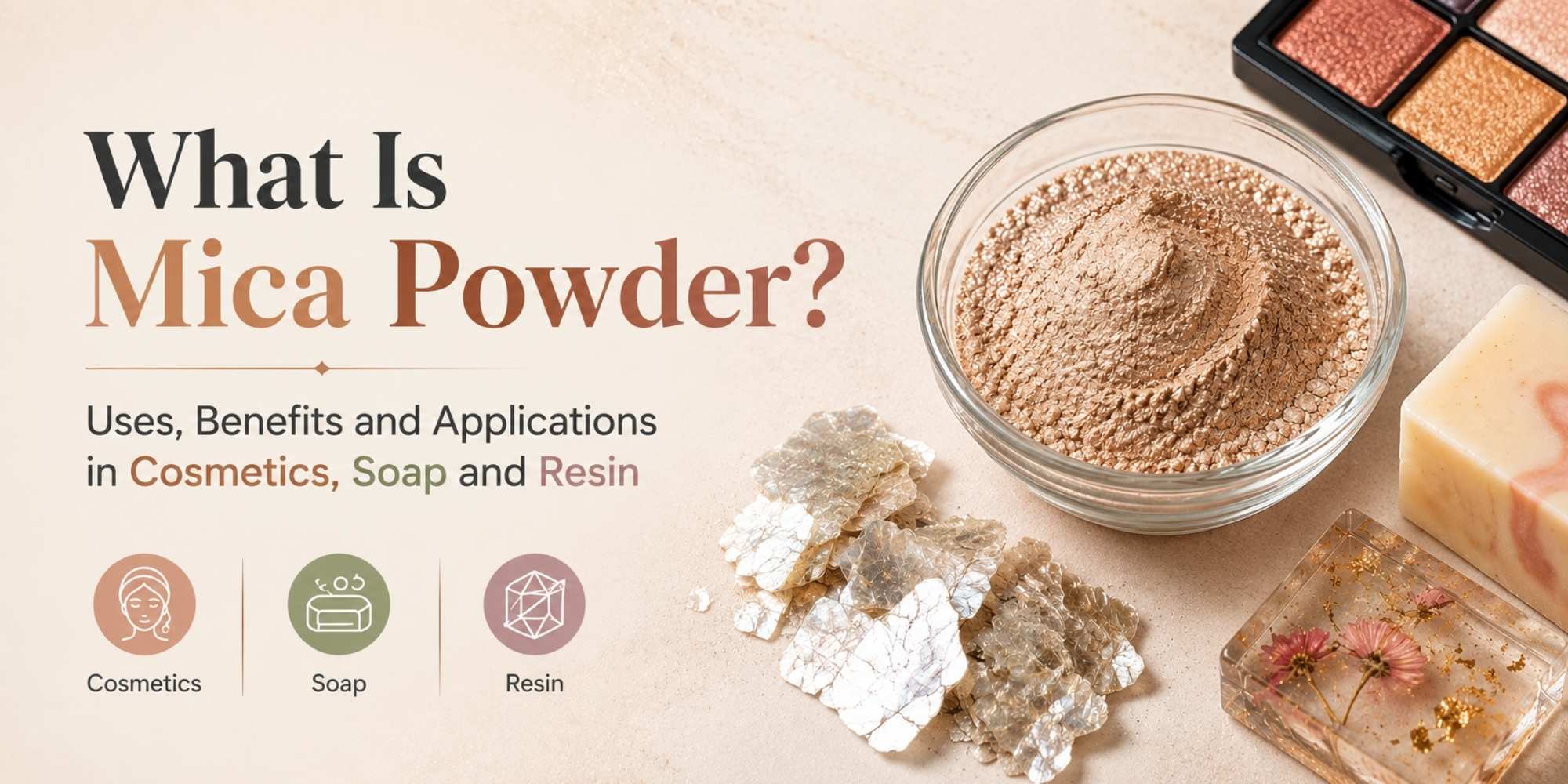
What Is Mica Powder? Uses, Benefits and Applications in Cosmetics, Soap and Resin
The demand for specialty pigments has grown rapidly across industries such as cosmetics, personal care, crafts, and decorative manufacturing. Among the most widely used pigments today is mica powder, a versatile material known for its ability to create stunning visual effects, vibrant colors, and luxurious finishes.
From glowing makeup products and handcrafted soaps to artistic resin creations, mica powder has become an essential ingredient for manufacturers and creators looking to enhance the appearance of their products. Its unique reflective properties, ease of use, and wide range of color options make it one of the most preferred pigments in the market.
In this guide, we will explore what is mica powder, its key benefits, major applications, and why it continues to be a popular choice in cosmetics, soap making, and resin art.
What Is Mica Powder?
Many people entering the beauty, soap, or resin industry often ask, what is mica powder? Mica powder is a finely ground mineral pigment derived from mica, a naturally occurring silicate mineral. Mica is known for its layered crystal structure, which reflects light beautifully and creates a shimmering or pearlescent appearance. When processed into powder form and coated with various mineral oxides such as titanium dioxide or iron oxide, it can produce a wide range of brilliant colors and effects.
The unique structure of mica allows light to bounce off its surface, creating depth, sparkle, and shine. This characteristic makes it highly valuable for products that require visual appeal and decorative finishes.
Today, mica powder is available in both natural and synthetic forms. Natural mica is sourced from mineral deposits, while synthetic mica is manufactured under controlled conditions to provide higher purity and more consistent performance. Both types are widely used across different industries depending on product requirements. Because of its versatility and visual impact, mica powder has become a preferred pigment for manufacturers worldwide.
How Is Mica Powder Manufactured?
The production of mica powder involves several important steps that ensure quality, consistency, and performance.
The process begins with the extraction of raw mica from mineral deposits. The mica is carefully cleaned to remove impurities and unwanted materials. Once purified, it is crushed and ground into fine particles of different sizes depending on the intended application.
To create vibrant colors and pearlescent effects, manufacturers often coat mica particles with mineral oxides. Titanium dioxide is commonly used to create pearl and silver effects, while iron oxides help produce gold, bronze, red, and other color variations.
After coating, the material undergoes strict quality control testing to ensure color consistency, particle size accuracy, and performance standards. The finished product is then packaged and supplied to industries such as cosmetics, soap manufacturing, resin art, paints, coatings, and crafts.
Key Characteristics of Mica Powder
Excellent Light Reflection
One of the most important characteristics of mica powder is its ability to reflect light. The layered structure of mica particles creates a unique interaction with light that produces shimmer, sparkle, and depth. This reflective quality helps products appear more attractive and premium.
In cosmetics, this property creates glowing makeup looks and radiant skin effects. In resin artwork, it adds movement and dimension to designs. In soaps, it helps create elegant finishes that attract consumer attention. The reflective nature of mica powder is one of the main reasons for its popularity across multiple industries.
Wide Color Range
Mica powder is available in an extensive range of colors and shades. Manufacturers can produce gold, silver, bronze, copper, blue, green, pink, purple, black, white, and countless custom colors.
This variety allows businesses and artists to experiment with different designs and product concepts. Whether creating luxury cosmetics, decorative soaps, or resin artwork, the broad selection of colors provides endless creative possibilities.
Easy Dispersion
Another major advantage of mica powder is its ability to disperse evenly in different formulations. It blends smoothly into oils, waxes, resins, and cosmetic bases without requiring complicated processing methods.
Proper dispersion ensures consistent color throughout the product and reduces the risk of streaking or uneven finishes. This feature makes mica powder convenient for both large-scale manufacturers and small artisan creators.
Heat Stability
Many pigments lose their brightness or change color when exposed to heat. High-quality mica powder is designed to maintain its visual appearance under moderate processing temperatures.
This heat resistance is particularly valuable in soap making, cosmetic manufacturing, and industrial applications where ingredients are often exposed to elevated temperatures during production.
Safe and Reliable Performance
When sourced from reputable suppliers, cosmetic-grade mica powder offers reliable performance and is commonly used in personal care and beauty products. Manufacturers appreciate its consistency, compatibility, and ability to deliver high-quality results across different applications.
Benefits of Using Mica Powder
Enhances Product Appearance
The most noticeable benefit of mica powder is its ability to transform the appearance of products. Even a small amount can create luxurious visual effects that make products stand out in competitive markets.
Shimmering particles add sophistication and elegance, helping products look more attractive and professional.
Supports Premium Branding
Consumers often associate visually appealing products with higher quality. Mica powder allows brands to create premium-looking products that enhance perceived value and strengthen brand identity.
Luxury cosmetics, decorative soaps, and artistic resin products often rely on mica pigments to achieve this premium appearance.
Cost-Effective Solution
Mica powder is highly concentrated, meaning only a small amount is needed to achieve a significant visual impact. This makes it a cost-effective pigment solution for manufacturers and creators. Businesses can create premium finishes without dramatically increasing production costs.
Versatility Across Industries
One of the biggest advantages of mica powder is its versatility. A single pigment system can be used across multiple product categories, including beauty products, soaps, resin art, paints, coatings, and crafts.
This flexibility makes mica powder a valuable ingredient for businesses serving multiple markets.
Long Lasting Visual Effects
Quality mica pigments maintain their color and shine over time. This durability helps products retain their attractive appearance, contributing to better customer satisfaction and product value.
Understanding Mica Powder Uses
Some of the most common applications include:
- Makeup and beauty products
- Soap manufacturing
- Resin art and epoxy projects
- Candles and wax products
- Decorative coatings
- Paints and specialty finishes
- Jewelry making
- Craft and DIY projects
- Home décor products
- Industrial applications
The adaptability of mica powder makes it one of the most versatile pigments available today.
Mica Powder for Cosmetics
The beauty industry represents one of the largest markets for mica pigments. Mica powder for cosmetics is widely used because it helps create radiant, luxurious, and visually appealing beauty products.
Eyeshadows
Mica pigments add shimmer and depth to eyeshadow formulations. They help create dramatic, natural, or glamorous makeup looks depending on the desired finish.
Highlighters
Highlighters rely heavily on light-reflecting particles. Mica powder helps create the luminous glow that consumers seek in modern makeup products.
Lipsticks and Lip Glosses
Many lip products use mica pigments to enhance shine and improve visual appeal. The result is a richer and more attractive finish.
Foundations and Face Powders
Certain formulations use mica to provide a soft-focus effect that helps improve the overall appearance of the skin.
Body Care Products
Body lotions, oils, and creams often contain mica pigments to deliver a subtle glow and luxurious appearance.
Because of these advantages, mica powder for cosmetics remains an essential ingredient in modern beauty product development.
How to Use Mica Powder Effectively
Understanding how to use mica powder correctly can help achieve better results and improve product quality.
Start with Small Amounts
Mica pigments are highly concentrated. It is always recommended to begin with a small quantity and gradually increase until the desired effect is achieved.
Mix Thoroughly
Proper mixing ensures uniform color distribution and prevents pigment clumping.
Choose the Correct Grade
Different applications require different grades of mica powder. Cosmetic products should use cosmetic-grade pigments, while resin projects should use pigments formulated for epoxy systems.
Conduct Small Batch Testing
Testing allows manufacturers and creators to evaluate color performance and compatibility before large-scale production.
Following these simple practices can significantly improve the final appearance and consistency of products.
Mica Powder for Soap
Handcrafted soap makers frequently choose mica powder for soap because it produces vibrant colors and decorative effects that are difficult to achieve with traditional colorants.
Mica pigments allow soap makers to create attractive swirls, layers, and artistic patterns. Their ability to deliver rich colors helps handmade soaps stand out in retail environments and online marketplaces.
Luxury bath products often use gold, silver, pearl, and metallic shades to create a premium appearance. These visual enhancements increase consumer interest and improve product presentation.
Whether used in melt-and-pour soap or cold-process formulations, mica powder continues to be a popular choice among professional soap manufacturers and artisan creators.
Mica Powder for Resin
Epoxy artists and decorative manufacturers often rely on mica powder for resin to create stunning visual effects.
Unlike standard colorants, mica pigments introduce depth, movement, and metallic finishes into resin projects. This makes them ideal for artistic applications where appearance plays a critical role.
Common resin applications include:
- River tables
- Resin jewelry
- Decorative coasters
- Serving trays
- Wall art
- Home décor items
- Abstract artwork
The reflective particles create beautiful effects inside cured resin, resulting in products that appear more luxurious and visually dynamic.
Because of these qualities, mica powder for resin has become a favorite material among resin artists and epoxy manufacturers worldwide.
Natural Mica vs Synthetic Mica
Both natural and synthetic mica offer unique advantages.
Natural mica is extracted directly from mineral deposits and is widely used in various industries. It provides excellent shimmer and a natural appearance.
Synthetic mica is manufactured under controlled conditions, resulting in higher purity, improved consistency, and better visual effects. Premium cosmetic and specialty product manufacturers often prefer synthetic mica for applications requiring superior performance.
The choice between the two depends on formulation requirements, budget considerations, and desired product characteristics.
Factors to Consider When Choosing Mica Powder
Selecting the right mica powder is essential for achieving the best results.
Important factors include:
Particle Size
Different particle sizes create different visual effects, ranging from subtle shimmer to intense sparkle.
Color Consistency
Reliable suppliers maintain consistent color quality across production batches.
Application Compatibility
Always choose pigments specifically designed for the intended application.
Supplier Reputation
Working with trusted manufacturers helps ensure quality, safety, and performance.
Technical Support
Professional suppliers provide guidance on product selection and formulation requirements.
Conclusion:
Mica powder has established itself as one of the most valuable pigments used in cosmetics, soap making, resin art, and numerous other industries. Its exceptional ability to reflect light, create vibrant colors, and enhance product appearance makes it a preferred choice for manufacturers and creators worldwide.
Whether you are developing beauty products, crafting handmade soaps, or producing decorative resin artwork, mica powder offers endless opportunities to improve product aesthetics and create memorable customer experiences. By selecting high-quality pigments and using them correctly, businesses can achieve professional results while delivering products that stand out in competitive markets.
Frequently Asked Questions
Mica powder is made from naturally occurring mica minerals that are processed into fine particles and often coated with mineral oxides to create different colors and effects.
Yes, cosmetic-grade mica powder is commonly used in beauty and personal care products when sourced from reputable manufacturers.
Yes, mica powder is widely used in handmade soap to create vibrant colors, swirls, and decorative effects.
Yes, mica powder is one of the most popular pigments used in epoxy resin because it creates metallic, pearlescent, and shimmering effects.
Mica powder should be stored in a cool, dry place in sealed containers to protect it from moisture and contamination.
Get in touch with us!
×