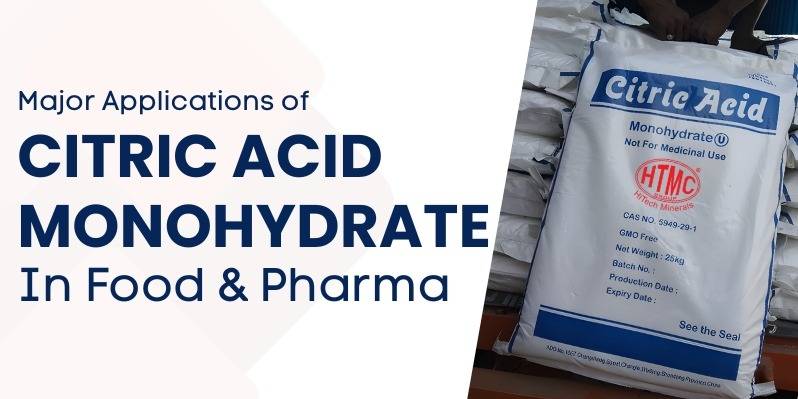
Major Applications of Citric Acid Monohydrate in Food & Pharma
Citric acid monohydrate is one of the most widely used organic acids in the world, especially in the food,
beverage, and pharmaceutical industries. Derived naturally from citrus fruits but produced commercially through fermentation, this
versatile compound offers acidity, stability, and preservation benefits across multiple products. Understanding the applications of
citric acid helps manufacturers select the right formulations for safety, flavor, and product performance.
In this blog, we explore the major uses of citric acid monohydrate in both sectors and why it remains a preferred ingredient for global industries.
This detailed overview explains how sodium hydrosulfite works, its main applications, and why it is widely used in industrial water purification.
What Is Citric Acid Monohydrate?
Citric acid monohydrate is a weak organic acid with one molecule of water attached. It appears as colorless,
odorless crystals and dissolves easily in water. Its ability to regulate acidity, enhance flavor, and stabilize chemical
reactions makes it essential across modern industrial applications.
When discussing the applications of citric acid, citric acid monohydrate stands out due to its high purity, safety, and compatibility with food and pharma ingredients.
Major Applications of Citric Acid in the Food Industry
The food and beverage sectors are the largest consumers of citric acid monohydrate. Below are the top applications of citric acid in this field.
1. Natural Flavor Enhancer
Citric Acid Monohydrate adds a refreshing tartness to:
- Soft drinks
- Candies
- Ice creams
- Sauces
Its acidity boosts flavor, making products more appealing and balanced.
2. Food Preservative
One of the most important applications of citric acid is its ability to inhibit microbial growth. It helps extend shelf life by:
- Lowering pH
- Preventing spoilage
- Reducing oxidation
It is commonly used in packaged foods, canned products, and ready-to-eat meals.
- Safer wastewater discharge
- Compliance with environmental regulations
- Reduced toxicity in ecosystems
3. pH Regulator in Processed Foods
Citric acid monohydrate helps maintain pH levels in processed foods such as:
- Dairy products
- Desserts
- Meat items
- Baked goods
This improves taste, consistency, and overall product stability.
4. Emulsification & Stabilization Agent
In dressings and beverages, citric acid monohydrate supports emulsification by keeping oil and water components well mixed. As part of the applications of citric acid, this function ensures a consistent product texture.
5. Antioxidants in Food Preparation
Citric acid monohydrate prevents browning in fruits and vegetables by slowing oxidation. It is especially helpful in fresh-cut fruit packs, juices, and frozen items.
Major Applications of Citric Acid in the Pharmaceutical Industry
Citric acid monohydrate is equally essential in pharmaceutical formulations. Here are its major roles.
1. Effervescent Tablet Formulations
One of the most popular applications of citric acid is in effervescent tablets. Combined with sodium bicarbonate, it produces a fizzing effect, aiding:
- Faster dissolution
- Better drug absorption
- Improved patient experience
2. Stabilizing Agent in Medicines
Citric Acid Monohydrate stabilizes active pharmaceutical ingredients (APIs), ensuring that medicines remain effective until consumption.
3. pH Adjustment in Drug Solutions
Many liquid medicines require precise pH levels. Citric Acid Monohydrate is used for adjusting acidity in:
- Syrups
- Injectable solutions
- Oral suspensions
4. Preservative in Pharma Formulations
Just like in food, citric acid monohydrate prevents microbial growth in pharmaceutical preparations, extending product safety and shelf life.
5. Chelating Agent in Formulations
Citric Acid binds with metal ions that may cause degradation. This chelating property makes it essential in injectable drugs and sensitive formulations.
Why Industries Prefer Citric Acid Monohydrate
Manufacturers across the world rely on citric acid monohydrate because it is
- Safe and non-toxic
- Naturally derived
- Highly soluble
- Affordable and easily available
- Approved by major regulators (FDA, WHO, FSSAI)
Its broad applications of citric acid make it indispensable for improving quality, safety, and performance in food and pharma products.
Conclusion
Citric Acid Monohydrate is much more than a simple acid—it is a multifunctional ingredient vital for flavoring, preservation, stabilization, and formulation. Whether used in food enhancement or pharmaceutical preparations, the wide-ranging applications of citric acid make it an essential part of modern manufacturing.
Frequently Asked Questions
Q1. What are the main uses of citric acid monohydrate in food?
Ans. It is used for flavoring, preservation, pH control, stabilization, and preventing oxidation.
Q2. Why is citric acid important in pharmaceuticals?
Ans. It adjusts pH, stabilizes ingredients, and supports effervescent drug formulations.
Q3. Is Citric Acid Monohydrate safe to consume?
Ans. Yes, it is widely approved by health authorities and safe in regulated quantities.
Q4. Does citric acid have antioxidant properties?
Ans. Yes, it helps prevent oxidation and browning in fruits, juices, and processed foods.
Q5. What makes citric acid a good chelating agent?
Ans. Its molecular structure binds with metal ions, improving stability in drug formulations.
×