How to Mix Perlite for Plant Soil: A Beginner’s Guide
Gardening success begins with healthy soil. From indoor houseplants to balcony herbs and outdoor vegetables, good soil structure is key to strong plant growth—and perlite is one of the most effective soil amendments you can use.
If you're new to gardening, you might wonder, "What is perlite?" How much should I mix? Is it suitable for all plants? This beginner-friendly guide will answer all your questions and help you use perlite correctly for strong roots and thriving plants.
What is perlite?
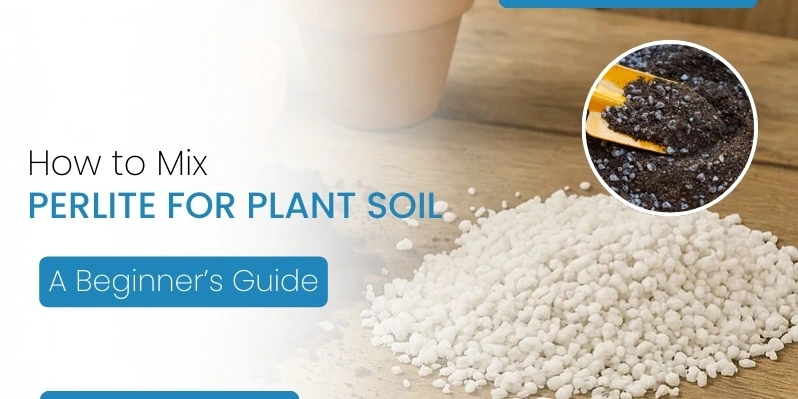
Perlite is a lightweight, white, volcanic mineral that expands when heated at high temperatures. The result is a porous material that looks like small white pebbles.
In gardening, perlite for plants is widely used to:
- Improve soil drainage
- Increase aeration
- Prevent soil compaction
- Support healthy root growth
Because it is sterile, pH-neutral, and non-toxic, perlite is safe for all types of plants.
Why Use Perlite for Plants?
Adding perlite to soil creates air pockets that allow roots to breathe. Good aeration is essential because plant roots need oxygen to absorb nutrients efficiently.
Key Benefits:
- 1.Better Drainage – Prevents waterlogging and root rot.
- 2.Improved Aeration – Keeps soil loose and fluffy.
- 3.Stronger Root Development – Encourages faster root growth.
- 4.Lightweight Soil Mix—Ideal for pots and containers.
- 5.Prevents Compaction—Especially useful for clay-heavy soils.
If you often overwater plants or notice soggy soil, mixing perlite for plants can dramatically improve results.
When Should You Add Perlite to Soil?
You should consider adding perlite if
- Your soil feels heavy and sticky.
- Water sits on the surface for a long time
- Plants show signs of root rot.
- You are growing succulents or cacti.
- You want to prepare a potting mix from scratch.
Perlite is especially useful for indoor plants, container gardening, seed starting, and cutting propagation.
How Much Perlite Should You Use?
The amount depends on the type of plant you are growing.
1. For Indoor Houseplants
Mix 20–30% perlite with 70–80% potting soil.
2. For Succulents and Cacti
Use 40–50% perlite with cactus mix for excellent drainage.
3. For Seed Starting
Use 30–50% perlite mixed with coco peat or seed-starting mix.
4. For Heavy Clay Soil
Add 25–35% perlite to improve structure and airflow.
Step-by-Step Guide: How to Mix Perlite for Plant Soil
Follow these simple steps to correctly mix Perlite for plants:
Step 1: Wear a Mask (Optional but Recommended)
Perlite can produce fine dust. Slightly moisten it before mixing to reduce dust.
Step 2: Measure the Ratio
Decide your mixing ratio depending on your plant type (as mentioned above).
Step 3: Use a Large Container.
Take a clean bucket, tub, or gardening tray.
Step 4: Combine Soil and Perlite
Add potting soil first, then mix in the perlite thoroughly using your hands or a small shovel.
Step 5: Check Texture
The final mixture should feel light, airy, and crumbly—not compact.
Step 6: Fill Pots or Garden Beds
Transfer the mix into pots or garden beds and plant as usual.
Best Plants That Benefit from Perlite
Certain plants love well-draining soil. These include:
- Snake Plant
- Aloe Vera
- Jade Plant
- Succulents
- Cactus
- Pothos
- Herbs like rosemary and thyme
These plants thrive when perlite for plants is included in the potting mix.
Perlite vs. Other Soil Amendments
Many beginners confuse perlite with vermiculite. While both improve soil quality, they serve different purposes:
- Perlite improves drainage and aeration.
- Vermiculite retains moisture.
If your plants need better drainage, perlite is the better choice.
Common Mistakes to Avoid
Even though perlite is easy to use, beginners sometimes make mistakes.
1. Using Too Much Perlite
Excess perlite can cause soil to dry out too quickly.
2. Not Mixing Properly
Uneven mixing results in poor drainage.
3. Skipping Soil Type Consideration
Always adjust the ratio based on plant needs.
4. Ignoring Watering Adjustments
Soil with perlite drains faster, so monitor watering frequency.
Can You Use Perlite Alone?
Yes, but mainly for specific purposes like the following:
- Rooting plant cuttings
- Hydroponic growing medium
- Seed germination
However, for regular gardening, it should be mixed with soil rather than used alone.
How Often Should You Replace Perlite Soil Mix?
Perlite does not decompose. However, potting soil nutrients reduce over time. It is best to refresh soil every 12–18 months for potted plants.
Is Perlite Safe for Plants?
Yes. Perlite for plants is
- Non-toxic
- Chemically stable
- pH neutral
- Free from pests and diseases
It does not affect soil chemistry negatively, making it suitable for beginners and experienced gardeners alike.
Conclusion
If you want healthier roots, faster plant growth, and better drainage, adding perlite for plants is one of the easiest improvements you can make to your soil. It is affordable, simple to mix, and highly effective. For beginners, start with a 20–30% ratio and adjust based on plant type and watering habits. With the right balance, your plants will grow stronger, greener, and more vibrant.
×