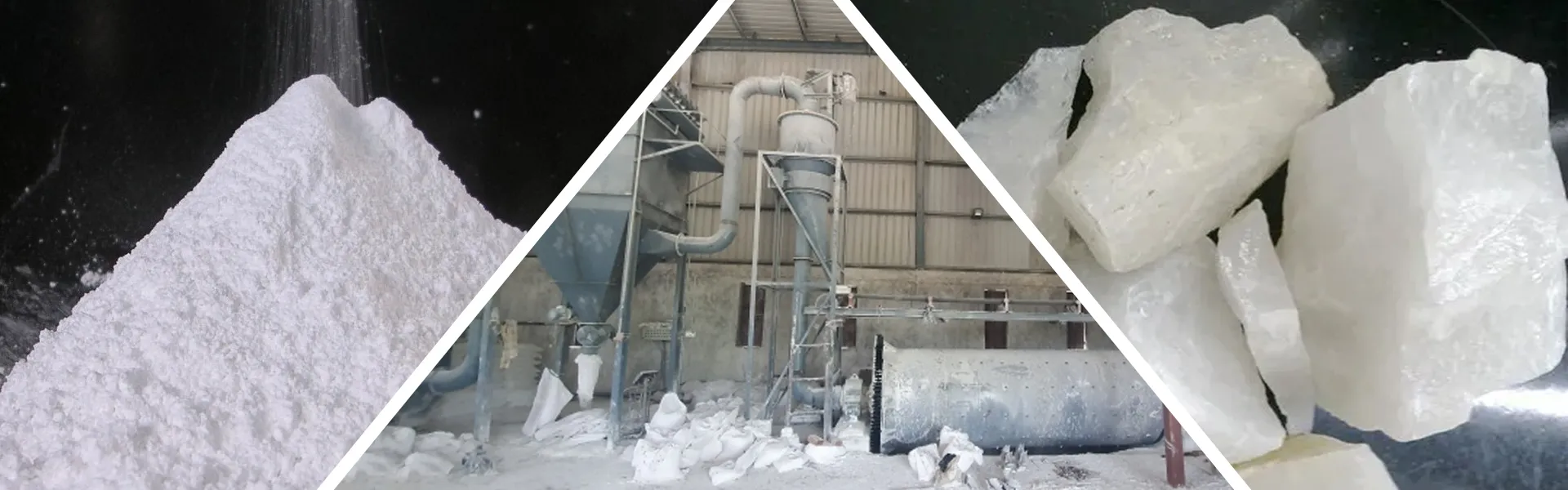
Feldspar Mineral Manufacturers and Supplier in India
Feldspar Export from India and Global Supply
Feldspar is one of the most abundant mineral groups in the Earth's crust, making up approximately 60% of all terrestrial rocks. It belongs to the tectosilicate family and occurs as a primary constituent in igneous, metamorphic, and sedimentary rock formations across the globe. Chemically, feldspar minerals are aluminum silicates combined with varying proportions of potassium, sodium and calcium. The three most commercially significant types are Potassium Feldspar with the formula KAlSi3O8, Sodium Feldspar with the formula NaAlSi3O8, and Calcium Feldspar with the formula CaAl2Si2O8. The word feldspar itself is derived from the German words "feld" meaning field and "spar" meaning a mineral that cleaves easily, which reflects its widespread occurrence in surface geology across the world.
HTMC Group is a leading name in India, supplying premium-grade feldspar in powder, grain, and lump forms to industries across the country and to international buyers across multiple regions. Our manufacturing infrastructure, sourcing from mineral-rich deposits, and strict quality management processes allow us to deliver consistent chemical composition, controlled particle size, and reliable performance across all grades. As trusted Feldspar Suppliers in India, HTMC Group serves the ceramics, glass, paints, rubber, plastics, welding electrodes, and abrasives industries with products that meet the specific requirements of each application sector.
Enquire NowTypes of Feldspar Supplied by HTMC Group Sodium Feldspar
Sodium Feldspar
Sodium Feldspar, also referred to as Soda Feldspar or Albite, carries the chemical formula NaAlSi3O8 and is characterized by its high sodium oxide content, typically ranging from 9 to 11 percent. It has a lower melting point than potassium-type feldspar, generally in the range of 1100 to 1200 degrees Celsius, which makes it particularly effective as a flux in ceramic and glass applications where lower firing temperatures are required. Soda Feldspar produces a smooth, glossy melt that bonds well with ceramic bodies and glazes, giving fired products a clean, bright surface quality. Its high alumina content, typically above 19 percent, contributes to the mechanical strength and chemical durability of the end product.
Potassium Feldspar
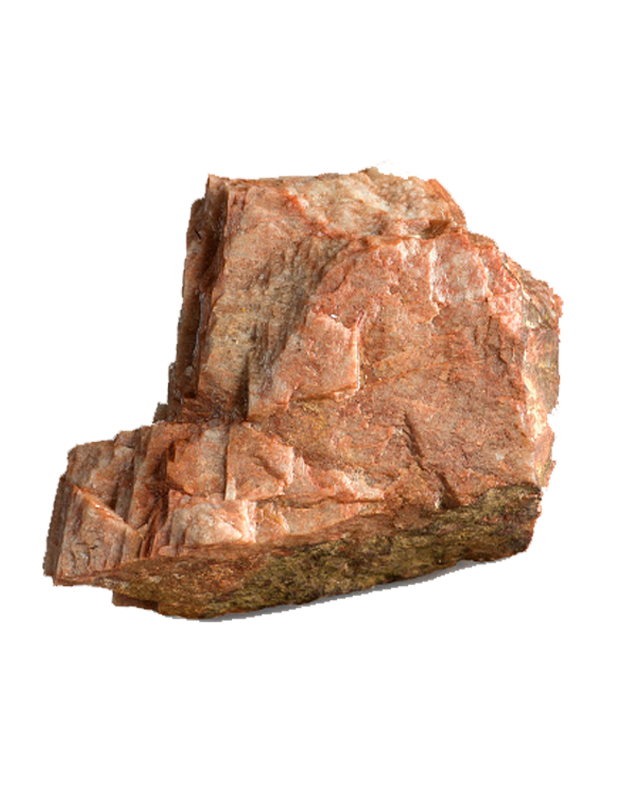
Potassium Feldspar, also widely known as Potash Feldspar or K-Feldspar, has the chemical formula KAlSi3O8 and is distinguished by its high potassium oxide content, generally between 10 and 13 percent. It has a higher melting point than sodium feldspar, typically between 1200 and 1290 degrees Celsius, and produces a more viscous melt that is well-suited for matte glazes and high-temperature ceramic applications. Potassium Feldspar is particularly valued in fine porcelain, electrical porcelain, and sanitaryware manufacturing where its fluxing behaviour and contribution to mechanical strength are critical performance parameters.
Feldspar Processing Plant at HTMC Group
HTMC Group operates a modern Feldspar Processing Plant equipped with advanced machinery and quality control infrastructure that processes raw feldspar from mine to finished product under strict operational controls.
1. Raw Material Sourcing and Quality Assessment
der strict operational controls.Raw feldspar is sourced from verified mineral deposits known for consistent chemical composition and low impurity levels. Every incoming batch is assessed for potassium oxide or sodium oxide content, alumina percentage, silica content, iron levels, and particle characteristics before being accepted into the processing line. Only raw material meeting our defined quality standards enters the plant.
2. Primary Crushing
Large feldspar rock masses are fed into jaw crushers that reduce them to manageable fragment sizes. This primary crushing stage breaks down the raw mineral without introducing contamination and prepares the material for subsequent size reduction stages. The crushing equipment is maintained regularly to ensure consistent output particle size and to minimize metal contamination from worn components.
3. Secondary Crushing and Grinding
The pre-crushed feldspar passes through secondary crushers and then into grinding mills where it is reduced to the target particle size for each product grade. Ball mills and vertical roller mills are used depending on the fineness specification required. At this stage, the material is produced as Feldspar Lumps for buyers who require coarser material for direct use in furnaces, or ground further into Feldspar Powder for applications requiring finer particle sizes and greater surface area.
4. Screening and Classification
The ground material passes through vibrating screens and air classifiers that separate it into precise particle size fractions. This stage is critical for meeting the mesh specifications required by ceramic and glass manufacturers who need consistent particle size distribution for their process control. Oversized material is returned to the grinding stage while undersized fines are collected for appropriate grade applications.
5. Magnetic Separation
Iron is the most critical impurity in feldspar for ceramic and glass applications because it introduces colour into the fired or molten product. Magnetic separators, both wet and dry types, are used to remove iron-bearing particles from the feldspar stream. This stage directly improves the whiteness and colour consistency of the finished product and is particularly important for grades destined for white ceramic and clear glass manufacturing.
6. Quality Control Testing
Each batch of processed feldspar undergoes comprehensive laboratory testing before being approved for packaging and dispatch. Chemical analysis by X-ray fluorescence confirms the oxide composition including SiO2, Al2O3, K2O or Na2O, Fe2O3, CaO, and MgO content. Physical testing covers particle size distribution, whiteness, moisture content, and specific gravity. Only batches that meet all defined specifications are released for sale.
7. Packaging and Dispatch
Approved feldspar products are packed in moisture-resistant packaging and prepared for dispatch under clean, covered storage conditions. HTMC Group's logistics infrastructure supports reliable delivery to domestic buyers across India and to international customers through our established Feldspar Export from India operations.
Applications and Uses of Feldspar
Feldspar's commercial importance across industries derives from two primary properties: its alkali content, which provides fluxing action at elevated temperatures, and its alumina content, which contributes strength, hardness, and chemical resistance to the products in which it is used.
Ceramics Industry
The ceramics industry is the single largest consumer of feldspar globally. In ceramic tile, tableware, sanitaryware, and electrical porcelain production, feldspar acts as a fluxing agent that lowers the firing temperature of the ceramic body, promotes vitrification, reduces porosity, and contribuves to the mechanical strength and translucency of the finished product. The ratio of Sodium Feldspar to Potash Feldspar in a ceramic body formulation is carefully controlled by manufacturers to achieve specific firing characteristics and surface qualities. HTMC Group supplies both types to ceramic manufacturers with the consistent chemistry needed for reliable process control.
Glass Manufacturing
Feldspar is an essential raw material in the glass industry where it serves as a source of alumina and alkali oxides. The alumina introduced by feldspar improves the hardness, durability, and chemical resistance of the glass, while the alkali content contributes to the melting behaviour of the glass batch. Container glass, flat glass, fiberglass, and specialty glass products all use feldspar as a standard batch component. Glass manufacturers require feldspar with precisely controlled iron content because even small amounts of iron can introduce colour into clear glass.
Paints and Surface Coatings
As a functional filler and extender in architectural and industrial paints, feldspar contributes hardness, improved scrub resistance, and enhanced durability to the dried paint film. Feldspar Powder in fine mesh grades is used in exterior coatings where weather resistance is a key performance requirement. Its chemical inertness ensures compatibility with a wide range of resin systems and paint chemistries without affecting the stability of the formulation.
Rubber and Plastics
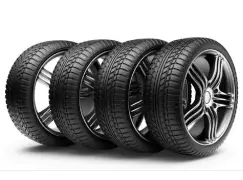
In rubber compounding and plastic formulation, feldspar acts as a functional filler that improves dimensional stability, surface hardness, and abrasion resistance of the finished product. Its chemical inertness and consistent particle size make it a compatible reinforcing filler across a broad range of rubber and polymer systems. Cable sheathing, industrial rubber goods, and engineering plastic components all incorporate feldspar as a cost-effective functional filler.
Welding Electrodes
Feldspar is a component in the flux coating of welding electrodes where it contributes to the formation of a protective slag layer during the welding process. This slag shields the molten weld pool from atmospheric oxidation and controls the solidification characteristics of the weld bead. The chemistry and particle size of the feldspar used in welding electrode coatings must be tightly controlled to deliver consistent weld quality.
Abrasives
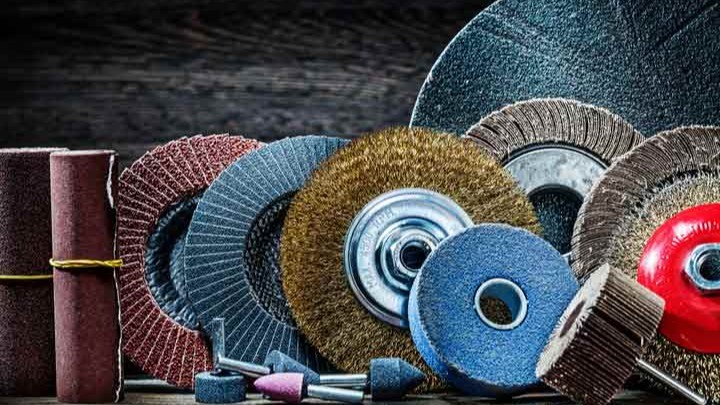
Ground feldspar is used in scouring powders, household cleaners, and mild abrasive applications where a hard but non-aggressive abrasive action is required. Its hardness of approximately 6 on the Mohs scale makes it effective for cleaning without scratching softer surfaces. Feldspar-based abrasives are used in kitchen and bathroom cleaning products and in industrial surface preparation applications.
Enamel and Frits
In the production of enamel frits for coating metal and ceramic surfaces, feldspar contributes flux oxides and alumina that influence the melting temperature, surface tension, and adhesion characteristics of the enamel. Both Soda Feldspar and Potash Feldspar grades are used in frit manufacturing depending on the specific enamel formulation requirements.
Quartz Feldspar Applications
Quartz Feldspar combinations are specifically used in applications where both silica and alumino-silicate contributions are needed simultaneously. In refractory formulations, construction materials, and certain specialty glass compositions, the natural association of quartz and feldspar in processed mineral products provides a balanced oxide chemistry that simplifies raw material management for manufacturers who need both components.
Technical Specifications of Feldspar
| Sodium Feldspar Specifications | ||
|---|---|---|
| Parameter | Typical Value | Description |
| Chemical Name | Sodium Aluminum Silicate (NaAlSi₃O₈) | Primary chemical composition |
| Appearance | White to Off-White Powder or Lumps | Visual quality indicator |
| SiO₂ Content | 64–68% | Core silica component |
| Al₂O₃ Content | 18–21% | Alumina for strength and durability |
| Na₂O Content | 9–11% | Primary alkali for fluxing action |
| K₂O Content | < 1.5% | Minor alkali component |
| Fe₂O₃ Content | < 0.15% | Critical for whiteness in ceramics and glass |
| CaO Content | < 1.0% | Minor calcium impurity |
| Whiteness | 85–92% | Key visual quality parameter |
| Moisture Content | < 0.5% | Flowability parameter |
| Melting Point | 1100–1200°C | Fluxing temperature range |
| Specific Gravity | 2.60–2.65 g/cc | Physical property |
| Potassium Feldspar Specifications | ||
|---|---|---|
| Parameter | Typical Value | Description |
| Chemical Name | Potassium Aluminum Silicate (KAlSi₃O₈) | Primary chemical composition |
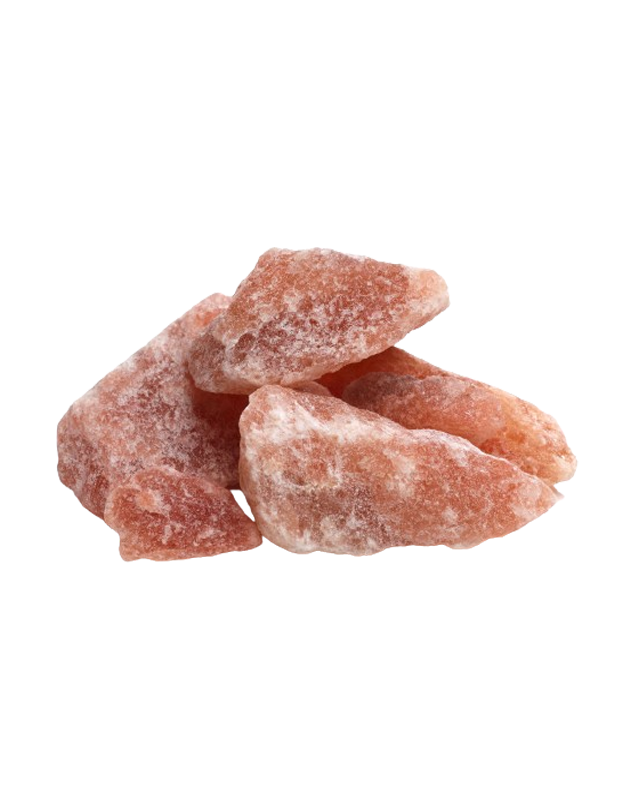
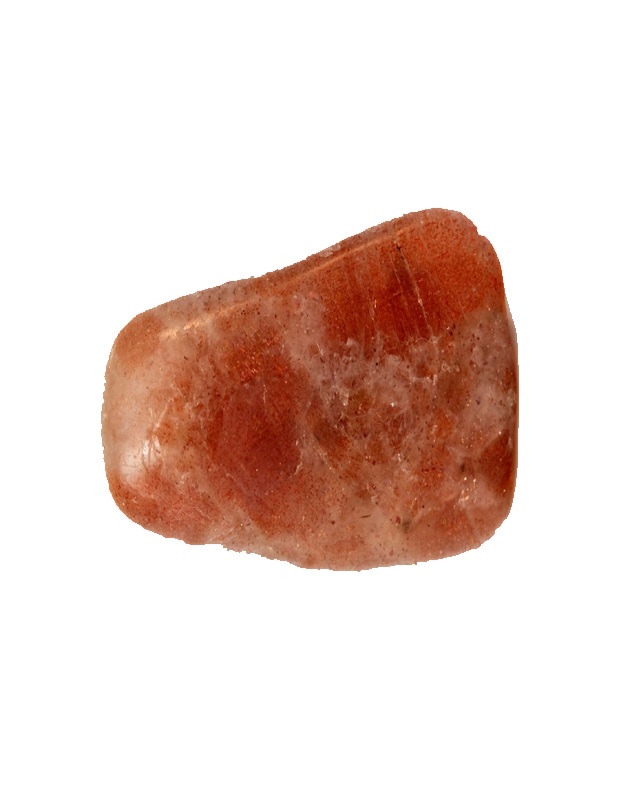
| Appearance | White to Pinkish-White Powder or Lumps | Visual quality indicator |
| SiO₂ Content | 64–68% | Core silica component |
| Al₂O₃ Content | 17–19% | Alumina content |
| K₂O Content | 10–13% | Primary potassium alkali |
| Na₂O Content | < 3.0% | Minor sodium component |
| Fe₂O₃ Content | < 0.15% | Iron impurity control |
| CaO Content | < 1.0% | Minor calcium content |
| Whiteness | 82–90% | Visual and functional quality |
| Moisture Content | < 0.5% | Storage and flow parameter |
| Melting Point | 1200–1290°C | Higher flux temperature |
| Specific Gravity | 2.54–2.58 g/cc | Physical property |
Feldspar Lumps and Powder: Available Forms
Feldspar Lumps
Feldspar Lumps are supplied as broken rock fragments in size ranges specified by the buyer. They are the preferred form for glass manufacturers who feed raw materials directly into melting furnaces and for ceramic body manufacturers who grind their own raw materials on-site. Lumps are also supplied to feldspar processors who purchase raw mineral for further size reduction and processing into powder or grain grades. HTMC Group supplies both Sodium Feldspar lumps and Potassium Feldspar lumps in size fractions agreed with each customer.
Feldspar Powder: Feldspar Powder is produced by grinding and classifying feldspar to specific mesh sizes. HTMC Group supplies feldspar powder in multiple mesh grades from coarse to ultra-fine to serve the full range of industrial applications.
Product Packing Details
HTMC Group supplies feldspar products in packaging designed to protect quality throughout storage and transit:
Package Sizes: 25 kg and 50 kg bags
Package Type: Multi-layer paper bags with an inner polyethylene moisture barrier.
Bulk Supply: Available in 500 kg and 1,000 kg jumbo bags, as well as customized packaging formats on request for export customers.
All packaging is clearly labeled with product type (Sodium or Potassium Feldspar), grade designation, batch number, net weight, and manufacturing date to support full product traceability from our plant to the customer's facility.
Safe Handling and Storage
Feldspar is a chemically inert mineral and is not classified as hazardous under standard industrial handling regulations. However, standard dust management practices apply because fine feldspar powder can generate airborne particles during handling and processing. Store in a dry, covered area away from moisture and rain. Feldspar powder is not significantly hygroscopic but moisture ingress can cause caking and reduce flowability in powder grades.
Use dust masks and eye protection when handling feldspar powder in open environments or during transfer operations to prevent inhalation of fine mineral dust. Keep bags sealed tightly after opening to maintain the quality and flowability of powder grades during storage. Feldspar is compatible with most industrial materials and does not react with standard construction materials under normal storage conditions.
Other Industries We Cater
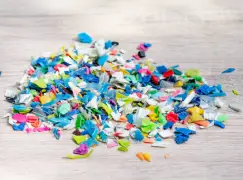
Plastics
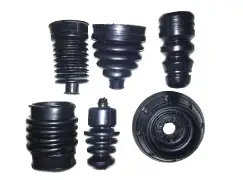
Ceramics

Paints and Coatings
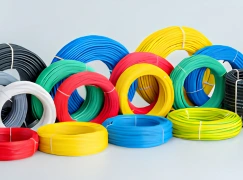
Cables and Wires
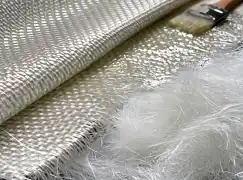
Fiberglass

Paper and Pulp
Rubber Industry
Abrasives Industry
Why HTMC Group Is a Trusted Feldspar Supplier
HTMC Group has built its position as one of the most reliable Feldspar Mineral Suppliers and Feldspar Powder Manufacturers in India through consistent product quality, transparent supply practices, and genuine technical support for customers across diverse industries.
Our Feldspar Processing Plant operates under ISO-certified quality management systems with multi-point quality controls from raw material intake through finished product dispatch. Chemical analysis by XRF at multiple stages ensures that the oxide composition of every batch is verified and documented. Physical testing of particle size, whiteness, and moisture confirms that finished product specifications are met before any material leaves our facility.
HTMC Group holds multiple internationally recognized certifications including ISO, DUNS, FSSAI, BRC, Halal, FDA, Exipact, and Kosher, in addition to Star Export House recognition from the Government of India. These certifications reflect our commitment to quality systems, safety standards, and professional business practices across all our mineral products and global supply operations.
Frequently Asked Questions
Feldspar is a group of aluminum silicate minerals that form approximately 60 percent of the Earth's crust. The two main commercial types supplied by HTMC Group are Sodium Feldspar (NaAlSi3O8), also called Soda Feldspar or Albite, and Potassium Feldspar (KAlSi3O8), also known as Potash Feldspar or K-Feldspar. Each type has distinct chemical properties that make it suitable for specific industrial applications in ceramics, glass, paints, rubber, and other sectors.
Sodium feldspar contains a higher sodium oxide (Na₂O) content, typically ranging from 9% to 11%, and has a relatively low melting point of approximately 1100–1200°C. It produces a smooth, glossy melt and is preferred for glaze applications and lower-temperature ceramic processes. Potassium Feldspar has a higher potassium oxide content of 10 to 13 percent and a higher melting point of 1200 to 1290 degrees Celsius. It produces a more viscous melt and is preferred for matte glazes, high-temperature porcelain, and applications where a higher alumina content is needed.
HTMC Group supplies feldspar in three primary forms. Feldspar Lumps in customer-specified size ranges for direct furnace charging or on-site grinding. Feldspar Powder in mesh sizes ranging from 100 to 600 mesh for paint, rubber, plastics, welding electrode, and fine ceramic applications. Grain sizes are also available for specific ceramic body batching requirements. Both Sodium Feldspar and Potassium Feldspar are available in all three forms.
Yes. HTMC Group is an established Feldspar Powder Exporter and mineral supplier with active export operations serving buyers across Asia, the Middle East, Africa, Europe, and the Americas. We provide complete export documentation including certificates of analysis, packing lists, and all regulatory compliance documentation required for import in major destination markets. Customized packaging formats including jumbo bags are available for international shipments.
HTMC Group supplies feldspar with Fe2O3 content below 0.15 percent in our standard grades, with lower iron options available for premium applications. Iron content is critical in feldspar because even small amounts of iron oxide introduce colour into ceramic glazes and glass products. For white ceramic tile, clear container glass, and optical glass applications, low iron feldspar is a strict process requirement. Our magnetic separation stage is specifically designed to minimize iron content consistently across all batches.
Powder mesh available
100
200
300
400
500
600
Packing Available

25kg Packing Bag
50kg Packing Bag

500/100kg Jumbo Packing Bag
Contact Us



















×